Industria Textil e do Vestuário - Textile Industry - Ano XVI
Industria Textil e do Vestuário - Textile Industry - Ano XVI
-
Labeling Machine
- Feminino
- Gadsden
- Estados Unidos
- Mensagens de blog
- Tópicos
- Eventos
- Grupos
- Fotos
- Álbuns de Fotos
RSS
Packaging Machinery in California: Engineering Challenges, Compliance Demands, and How High-Performance Lines Are Built
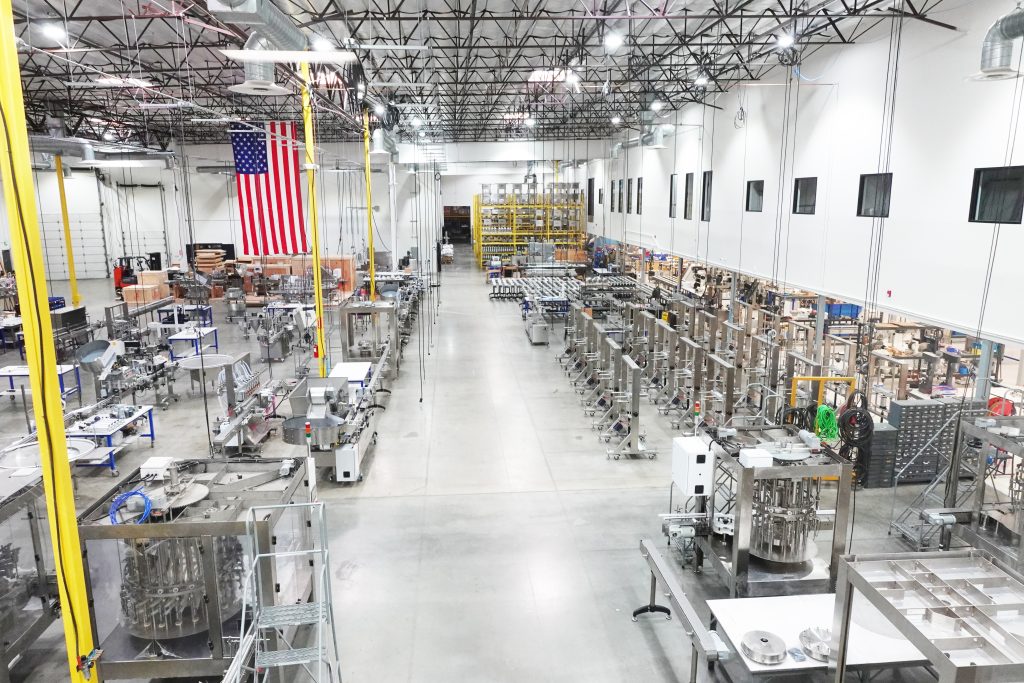
California manufacturers operate in one of the most demanding production environments in the United States. From food and beverage processors to cosmetics, pharmaceuticals, and chemical producers, packaging lines must meet high throughput expectations while complying with strict regulatory, safety, and sustainability standards.
In this environment, packaging machinery is not simply about speed—it is about system reliability, integration, and long-term operational control. This article examines how packaging machinery is used across California industries, the most common performance challenges manufacturers face, and what separates resilient, scalable packaging lines from those that consistently underperform.
Why Packaging Machinery Requirements Are Higher in California
California production facilities face a unique combination of pressures that directly influence equipment selection and line design:
- Stricter food safety and labeling enforcement
- Higher labor costs driving automation investment
- Sustainability and waste-reduction expectations
- SKU proliferation driven by private labeling and regional branding
As a result, manufacturers cannot rely on isolated equipment decisions. Every packaging machine must operate as part of a coordinated system that supports compliance, uptime, and changeover efficiency.
The Most Common Packaging Line Problems Seen in California Facilities
Despite heavy investment in automation, many California packaging lines suffer from recurring inefficiencies. These problems rarely originate from a single machine—instead, they occur at the system level.
Common issues include:
- Bottlenecks caused by poor infeed or discharge design
- Inconsistent container handling leading to labeling or capping defects
- Excessive downtime during product or SKU changeovers
- Accumulation pressure creating jams and micro-stoppages
- Manual intervention increasing labor cost and safety risk
Even a high-quality packaging machine cannot perform optimally if upstream or downstream conditions are unstable.
How Line Integration Determines Real-World Performance
One of the most overlooked factors in packaging machinery performance is integration. Machines may function well individually, yet fail to deliver expected throughput when connected into a complete line.
Successful California facilities prioritize:
- Balanced speeds between filling, capping, labeling, and coding
- Proper accumulation and buffering strategies
- Stable bottle orientation and container control
- Clean handoffs between machines to reduce shock and misalignment
When integration is engineered correctly, the entire line operates predictably, allowing equipment to run closer to its designed capacity.
Industry-Specific Packaging Machinery Demands in California
Food & Beverage
- Sanitation-friendly designs
- Accurate fill levels and seal integrity
- Labeling systems capable of handling condensation and temperature variation
Cosmetics & Personal Care
- Precise cosmetic fills
- High-quality label placement for brand presentation
- Gentle container handling for specialty bottles
Pharmaceutical & Nutraceutical
- Counting accuracy and traceability
…
The post appeared first on Accutek Packaging Machine Equipment.
Presentes recebidos

Labeling Machine ainda não recebeu nenhum presente
Página de Labeling Machine
Informações do Perfil
- EMPRESA QUE TRABALHA
- Rosewood Consulting
- ÁREA DE ATUACAO
- consultant
Bem-vindo a
Industria Textil e do Vestuário - Textile Industry - Ano XVI
© 2026 Criado por Textile Industry.
Ativado por


Caixa de Recados
Você precisa ser um membro de Industria Textil e do Vestuário - Textile Industry - Ano XVI para adicionar comentários!
Entrar em Industria Textil e do Vestuário - Textile Industry - Ano XVI